Guide to Choosing the Right Food Packaging Supplier in India
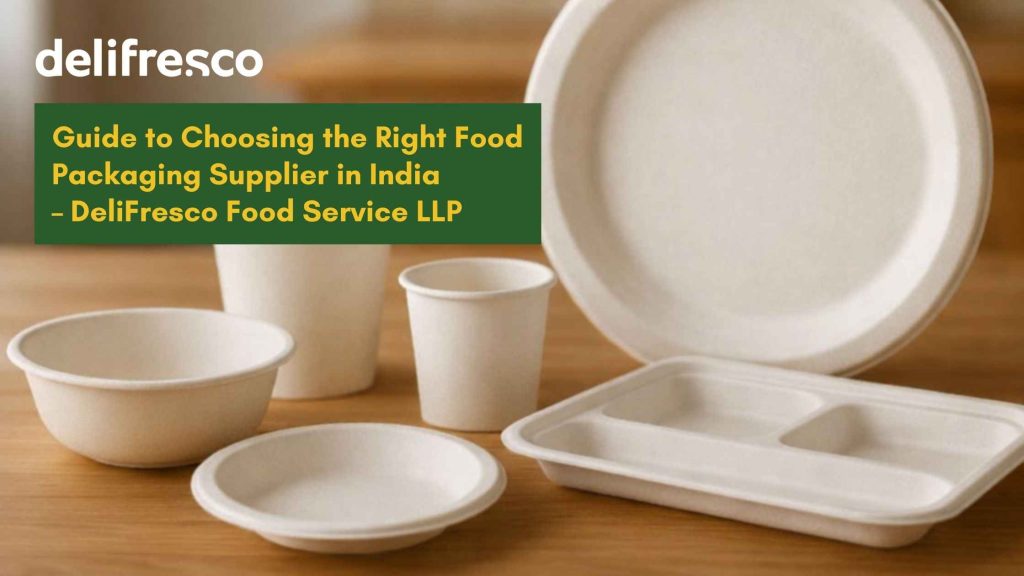
A Practical, Buyer-Focused Guide for Restaurants, Cloud Kitchens, and HoReCa Businesses
By Delifresco Food Service LLP
Introduction: Packaging Is No Longer a Backend Decision
In India’s modern food service economy, packaging sits at the center of operations. It affects food safety, delivery outcomes, customer perception, and regulatory compliance. What was once treated as a low-priority purchase now plays a direct role in brand growth.
Restaurants, cloud kitchens, hotels, cafés, and QSR chains increasingly realize that choosing the right food packaging supplier in India is not about buying containers. It is about building a reliable supply system that works at scale.
This guide explains how professional food businesses evaluate packaging suppliers today, what materials actually work in real kitchens, and how structured sourcing partners like Delifresco Food Service LLP fit into this ecosystem.
How Food Packaging Impacts Business Performance
Every food business, regardless of size, faces the same operational pressures:
- Maintaining food quality during transport
- Meeting food safety standards
- Managing packaging costs at scale
- Ensuring uninterrupted supply
Poor packaging decisions often show up later as:
- Leakage during delivery
- Customer complaints
- Higher replacement costs
- Compliance risks
This is why buyers now search with intent-driven queries like food packaging for restaurants, food packaging for cloud kitchens, or food packaging supplier near me. These searches signal operational urgency, not casual browsing.
Understanding Food Packaging Materials Used in India
Before evaluating suppliers, buyers must understand the materials commonly used in Indian food service.
Plastic Packaging: Functional and Volume-Friendly
Plastic packaging continues to dominate high-volume food operations due to durability and cost efficiency. When sourced responsibly, plastic containers support hot food delivery, liquid items, and reheating requirements.
Professional kitchens typically require:
Leak-resistant food containers
Consistent portion sizing
Microwave-safe formats
Delifresco works with food businesses that require dependable plastic food packaging for daily operations, particularly for delivery-heavy menus.
Paper Packaging: Ideal for Quick-Service and Dry Foods
Paper-based packaging supports speed-focused food formats such as wraps, burgers, snacks, and baked items. It also aligns with sustainability expectations in cafés and modern QSR brands.
Paper packaging decisions usually depend on:
Structural strength
Oil resistance
Stackability
Many restaurants in Delhi NCR and Noida increasingly integrate paper packaging into their takeaway systems to balance cost and brand perception.
Bagasse and Compostable Packaging: Sustainability with Structure
Sustainable packaging is no longer optional for many food brands. Bagasse and compostable containers have become standard in premium dining, environmentally conscious kitchens, and institutional food services.
These materials support:
Hot food delivery
Eco-compliance initiatives
Brand differentiation
Delifresco supports sourcing of bagasse-based food containers for businesses transitioning toward biodegradable packaging options.
Cutlery and Accessories: Often Overlooked, Always Needed
Packaging is incomplete without cutlery and supporting items. Restaurants that source cutlery separately often face mismatches in quality and availability.
Integrated sourcing helps streamline:
Disposable cutlery requirements
Eco-friendly alternatives
Bulk procurement planning
Packaging Needs Vary by Food Business Type
No two kitchens operate the same way. Packaging requirements change based on service model, order volume, and customer expectations.
Restaurants and Cafés
Dine-in focused restaurants still rely on takeaway and delivery packaging. Packaging must preserve presentation while preventing spills.
These kitchens prioritize:
Leak-proof containers
Heat retention
Visual appeal
Cloud Kitchens and Delivery-Only Brands
Cloud kitchens depend entirely on packaging performance. If food arrives compromised, there is no second chance.
Packaging choices here affect:
Delivery ratings
Repeat orders
Platform visibility
This is where supplier reliability matters more than price.
Hotels and Catering Services
Hotels and catering operations purchase in bulk and require predictable supply cycles. Packaging must handle large batch preparation and transport.
Procurement teams focus on:
Volume consistency
Storage efficiency
Supplier accountability
QSR Chains and Franchise Operations
Standardization defines QSR success. Packaging must remain uniform across cities, outlets, and franchise partners.
Structured sourcing supports:
Menu consistency
Brand control
Multi-location scalability
The Role of Location and Supply Chain
Food packaging logistics directly impact operational stability. Businesses located in high-demand regions such as Noida, Delhi NCR, Gurgaon, Faridabad, and Ghaziabad often prioritize suppliers with regional supply strength.
Local availability helps ensure:
Faster replenishment
Lower transit risk
Better inventory planning
Delifresco’s operational footprint supports businesses across Delhi NCR and nearby regions while also catering to pan-India requirements.
Compliance, Safety, and Quality Standards
Food packaging must meet Indian regulatory requirements. Non-compliant materials expose businesses to legal and reputational risks.
Buyers increasingly assess suppliers based on:
Material safety standards
Food contact compliance
Documentation readiness
Working with organized sourcing partners reduces compliance uncertainty, especially for growing food brands.
Cost, Bulk Purchasing, and Procurement Strategy
Packaging costs impact margins. However, focusing only on unit price often leads to higher long-term losses.
Smart buyers evaluate:
Total cost of ownership
Wastage reduction
Supplier consistency
Bulk sourcing strategies, when aligned with demand forecasting, help restaurants control packaging spend without compromising quality.
How Delifresco Fits into Modern Food Packaging Sourcing
Delifresco Food Service LLP operates at the intersection of sourcing, logistics, and food service understanding. Rather than positioning as a single-product vendor, the company supports businesses that need structured procurement solutions.
Food businesses work with Delifresco to:
Simplify packaging sourcing
Maintain supply consistency
Align packaging choices with operational needs
This approach suits restaurants, cloud kitchens, hotels, QSR brands, and institutional buyers looking for long-term stability rather than transactional purchasing.
How to Evaluate a Food Packaging Supplier (Buyer Checklist)
Before finalizing a supplier, decision-makers should ask:
Can the supplier support scale without disruption?
Do they understand HoReCa operational realities?
Can they supply multiple packaging formats?
Do they meet safety and compliance expectations?
Do they offer predictable logistics support?
These questions matter more than marketing claims.
भारतीय व्यवसायों के लिए संक्षिप्त मार्गदर्शन (Hindi Section)
भारत में रेस्टोरेंट और क्लाउड किचन उद्योग तेजी से बढ़ रहा है। ऐसे में सही फूड पैकेजिंग सप्लायर का चयन व्यवसाय की स्थिरता के लिए आवश्यक है।
पैकेजिंग केवल कंटेनर नहीं होती। यह भोजन की गुणवत्ता, सुरक्षा और ग्राहक अनुभव को प्रभावित करती है।
आज व्यवसाय इन बातों पर ध्यान देते हैं:
सुरक्षित फूड पैकेजिंग सामग्री
पर्यावरण अनुकूल विकल्प
समय पर सप्लाई और उपलब्धता
दिल्ली एनसीआर, नोएडा और अन्य क्षेत्रों में स्थानीय सप्लाई सपोर्ट व्यवसायों को तेज़ी से संचालन में मदद करता है।
FAQs
- How do I choose the right food packaging supplier in India?
Choosing the right food packaging supplier in India depends on material quality, food safety compliance, supply reliability, and the supplier’s understanding of restaurant operations. A supplier should support your scale, delivery model, and regulatory needs.
- Why is food packaging important for restaurants and cloud kitchens?
Food packaging protects food quality during transport, prevents leakage, ensures safety, and improves customer experience. For cloud kitchens and delivery-focused restaurants, packaging directly impacts ratings and repeat orders.
- What type of food packaging is best for restaurants?
The best food packaging depends on the menu. Plastic containers suit liquid and hot foods. Paper packaging works for dry items. Bagasse and compostable packaging suit eco-conscious brands and premium dining concepts.
- Is biodegradable food packaging safe for hot food?
Yes. Certified biodegradable and bagasse food containers are safe for hot food when sourced from compliant suppliers. They handle heat well and meet food contact safety standards.
- What food packaging materials are commonly used in India?
Restaurants in India commonly use plastic containers, paper packaging, bagasse containers, and disposable cutlery. The choice depends on food type, delivery time, and sustainability goals.
- What is bagasse food packaging?
Bagasse food packaging is made from sugarcane residue. It is biodegradable, compostable, and suitable for hot food. Many restaurants use it to reduce plastic usage.
- How much does food packaging cost for restaurants in India?
Food packaging cost varies by material, size, and order volume. Bulk purchasing helps reduce per-piece cost and ensures consistent availability for daily operations.
- What food packaging is best for online food delivery?
Leak-proof, heat-resistant containers with secure lids work best for online food delivery. Packaging must protect food during transit and maintain presentation on arrival.
- Is FSSAI approval required for food packaging in India?
Yes. Food packaging materials must comply with FSSAI food contact regulations to ensure consumer safety and legal compliance.
- How can restaurants reduce food packaging costs?
Restaurants can reduce costs by standardizing packaging sizes, sourcing in bulk, and working with suppliers who understand HoReCa demand cycles.
- What is the difference between plastic and paper food packaging?
Plastic packaging offers durability and leak resistance. Paper packaging works well for dry food and short delivery times. Many restaurants use both based on menu needs.
- Why do cloud kitchens need specialized food packaging?
Cloud kitchens depend entirely on packaging for customer experience. Poor packaging leads to spills, cold food, and negative reviews, which directly impact revenue.
- What should I check before selecting a food packaging supplier?
Check material quality, safety compliance, delivery reliability, product range, and the supplier’s experience with food service businesses.
- Does Delifresco Food Service LLP supply food packaging for restaurants?
Delifresco Food Service LLP supports food businesses with structured food packaging sourcing, covering materials suitable for restaurants, cloud kitchens, hotels, and HoReCa operations.
- Can one supplier handle multiple food packaging requirements?
Yes. Working with a single sourcing partner simplifies procurement, reduces operational complexity, and ensures consistent quality across packaging types.
Conclusion: Packaging Is a Growth Enabler
Food packaging influences more than delivery. It shapes brand trust, operational control, and scalability.
Choosing the right food packaging supplier in India is about long-term partnership, not short-term pricing.
For food businesses looking to build resilient operations, structured sourcing partners like Delifresco Food Service LLP provide stability, compliance support, and operational clarity.